Ceramic window tint is a premium film made with microscopic ceramic particles engineered to reduce the solar energy passing through your vehicle's glass. Unlike older metallic films, it contains no metal, so it is designed not to interfere with phone, GPS, Bluetooth or radio signals. Its biggest advantage is heat-control performance. Depending on the products being compared, a quality ceramic film can reject more total solar energy than a basic dyed film, even when the two appear to be a similar darkness. Solar Solutions installs ceramic film for cars, trucks and SUVs throughout Clanton and Chilton County, and we back every job with honest shade guidance and professional automotive window tinting experience.
Is Ceramic Window Tint Worth It?
For drivers who care about heat and comfort, especially in Alabama, ceramic is usually worth considering. A standard dyed film gives you privacy and appearance for less money, but ceramic films are engineered for stronger solar and infrared heat control without requiring an extremely dark shade. If you spend real time in your vehicle or park it outside, that difference is felt every drive.
Here is the honest part: ceramic does not keep a car cool forever when it sits in direct summer sun. Any parked vehicle eventually heats up. The real advantage is reducing the radiant heat you feel through the glass while driving, and slowing heat gain compared with a lower-performing film. And because "ceramic" is a category, not a guarantee, the actual film specifications matter more than the word itself.
Ceramic Tint for Cars, Trucks & SUVs
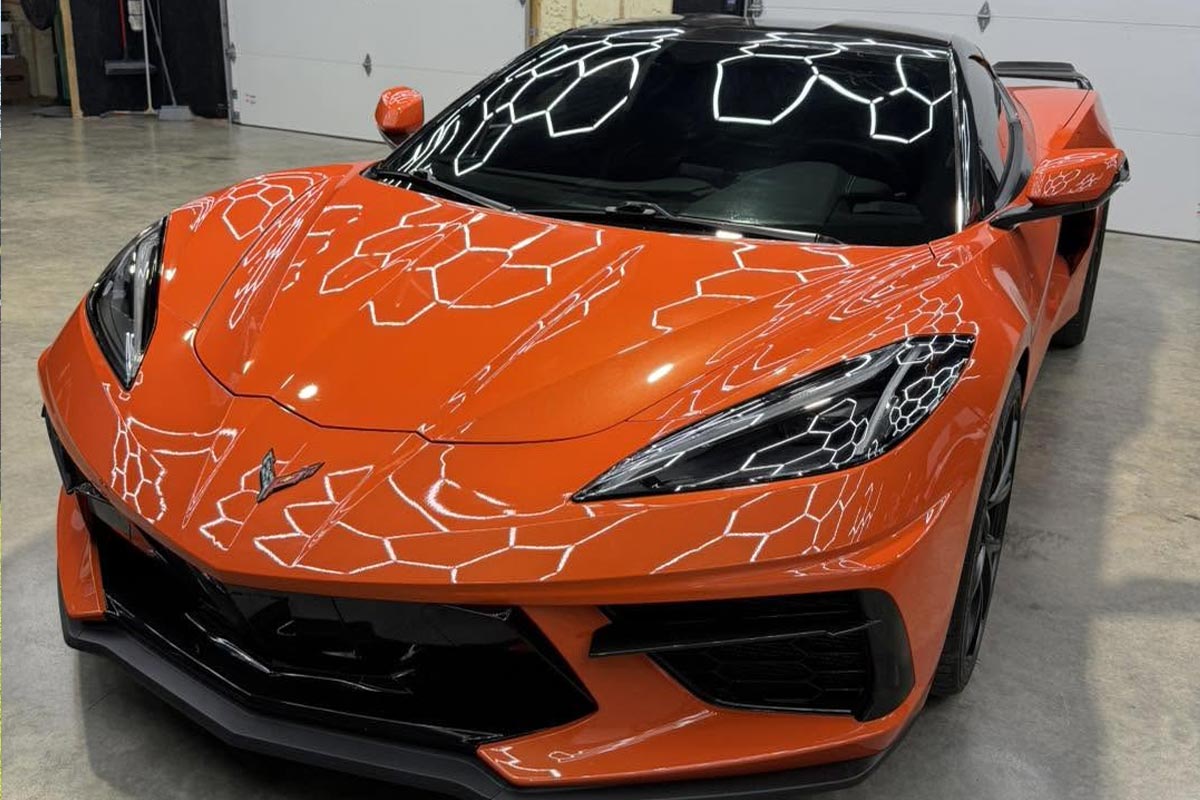
Cars & Sedans
Full-vehicle ceramic, two-front matches and rear glass. Light shades that cut heat without a heavily tinted look, or darker shades for privacy and performance together.
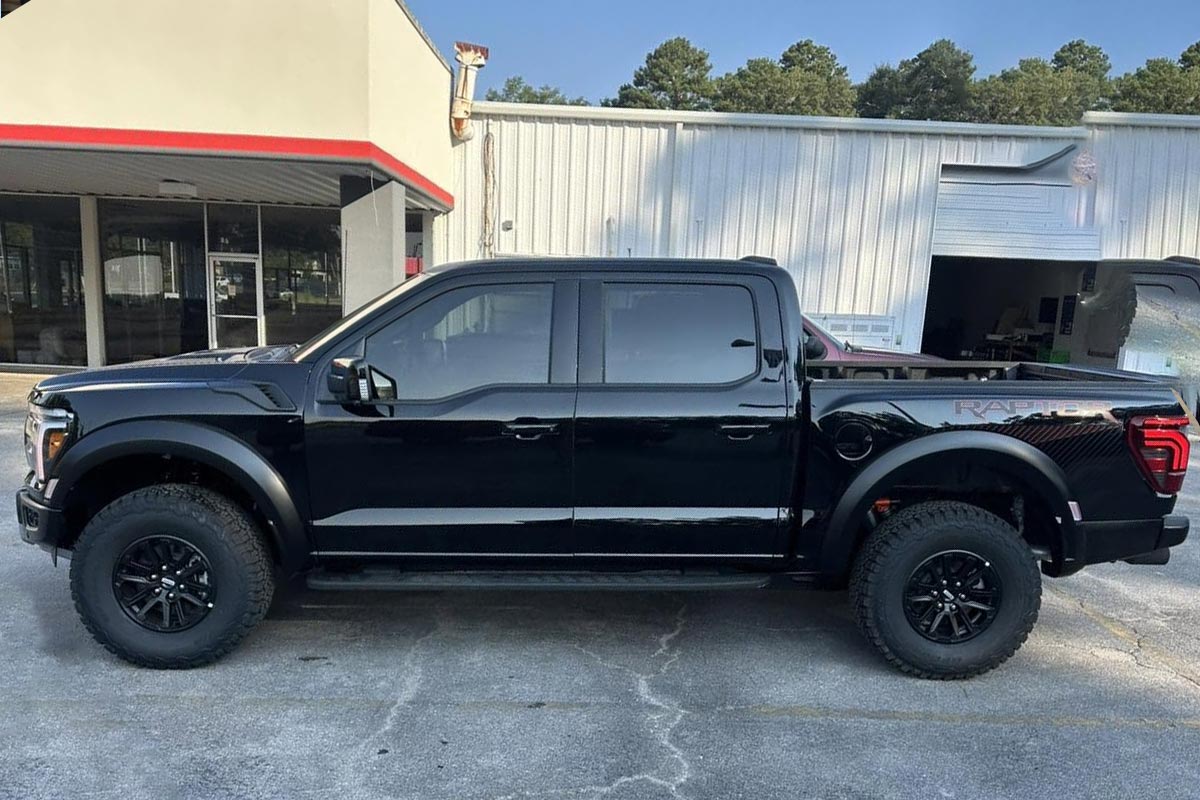
Trucks
Match your cab to factory-tinted rear glass and add real heat rejection the factory glass alone does not provide. Ideal for work trucks that sit in the sun all day.
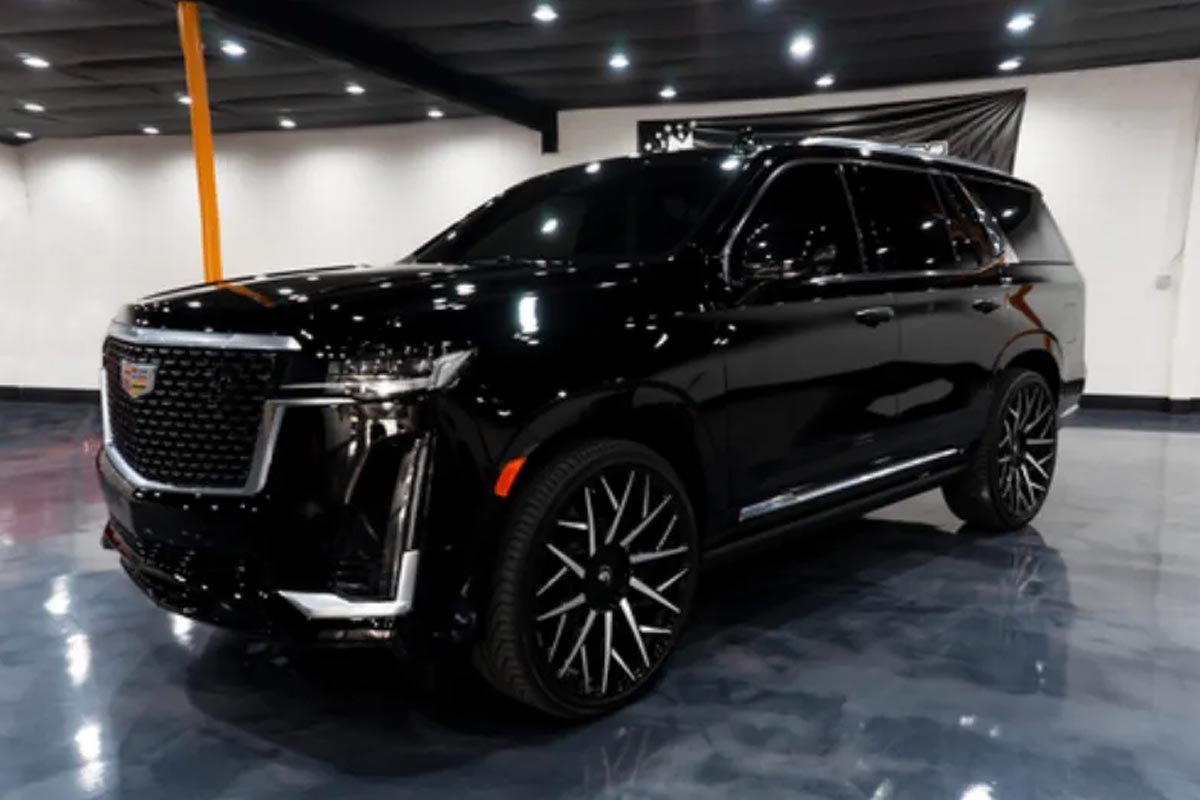
SUVs & Family Vehicles
Ceramic film over factory-darkened rear glass for lower sun exposure in the back rows, plus a cooler cabin on long family drives.
Does Darker Tint Block More Heat?
Not necessarily, and this is the single most common misunderstanding about window tint. Tint darkness and heat rejection are two different measurements. A dark, inexpensive dyed film can block plenty of visible light while rejecting very little of the infrared energy that actually makes you hot. A lighter ceramic film can let more light through while rejecting far more solar heat.
Some drivers want a light ceramic film that cuts heat without changing the look of the vehicle. Others want a darker ceramic shade for privacy and performance together. The right film depends on comfort, visibility, appearance and Alabama law, not on darkness alone. For the full side-by-side, read our ceramic tint versus regular tint comparison.
Ceramic Tint vs Standard Dyed Tint
| Feature | Standard Dyed Film | Ceramic Film |
|---|---|---|
| Primary benefit | Appearance & privacy | Heat rejection, comfort & clarity |
| Heat rejection | Basic to moderate | Higher, depending on film |
| UV protection | Usually high | Usually high |
| Signal interference | None | None |
| Color stability | Can fade over time | Stronger, resists purpling |
| Price | More affordable | Higher initial investment |
| Best for | Budget-focused appearance | Long-term comfort & performance |
Standard dyed film is a solid budget choice when appearance and privacy are the priority. Ceramic film is the better choice for Alabama heat: it reduces the solar energy entering the cabin, comes in lighter options that can help customers meet applicable front-window requirements when properly selected and installed, and helps your air conditioning recover faster after the vehicle has been sitting in the sun. A quality ceramic film is designed for stronger long-term color stability and heat-control performance than an entry-level dyed film.
Understanding Ceramic Tint Specs: VLT, TSER, IR & UV
Film spec sheets use a handful of terms worth knowing before you choose:
VLT (Visible Light Transmission) is the percentage of visible light the film lets through. Lower is darker. Alabama law regulates VLT on certain windows.
TSER (Total Solar Energy Rejected) is the broad measure of how much total solar energy the film blocks. It is the most useful single number for comparing heat-control performance. Higher TSER generally means less heat enters the vehicle.
Infrared (IR) rejection refers to the radiant heat you feel on your skin. Be careful comparing IR numbers between brands: they are measured across different ranges, so a very high advertised IR percentage does not always mean better real-world performance.
UV rejection is how much ultraviolet light the film blocks. Quality films block the large majority, which protects your skin and slows interior fading. High UV rejection alone does not prove a film rejects more heat.
The key takeaway: compare films using manufacturer spec sheets and consistent testing standards, not marketing headlines. A film advertised with a big "IR rejection" number is not automatically the better performer, because those numbers can be measured over a narrow range. If a film's heat performance matters to you, we are happy to walk you through the real specifications on the films we carry so you can compare fairly.
Why Ceramic Tint Makes Sense in Alabama
Central Alabama runs hot from spring through fall, and vehicles here bake in it. Ceramic tint reduces the solar energy coming through the glass, makes direct sun feel less intense, and helps your AC cool the cabin more efficiently once you get moving. It will not keep a parked car cool indefinitely, but it meaningfully slows how fast the heat builds. Ceramic film also blocks the large majority of UV, which helps reduce UV exposure and slow fading and cracking of your dashboard, seats and trim, and it is non-metallic, so your phone, GPS and radio work normally.
What Are the Downsides of Ceramic Tint?
We would rather set honest expectations than oversell. A few things worth knowing:
It costs more. Ceramic film is a premium product, so it is a bigger up-front investment than standard dyed film. If budget is the main driver and heat is not a priority, standard film may be the smarter buy.
It is not magic on a parked car. Ceramic slows heat buildup and cuts the radiant heat you feel while driving, but a car left in direct summer sun will still get hot. Anyone promising a "cool" parked car in an Alabama July is overselling.
"Ceramic" is a category, not a guarantee. Quality ranges widely between products labeled ceramic. The specifications matter more than the word, which is why we focus on the actual film rather than the buzzword.
Darkness is still limited by law. Ceramic does not exempt you from Alabama's tint limits. Your front side windows still have to meet the legal light limit regardless of how the film performs.
You Do Not Have to Go Dark to Beat the Heat
One of the best reasons drivers choose ceramic is that strong heat rejection does not require a dark shade. Lighter ceramic films suit drivers who want heat reduction more than privacy, anyone worried about night visibility on Clanton's unlit rural roads, luxury vehicles where the owner wants a near-factory look, and windshields or sunroofs where legally and appropriately installed. If you have always avoided tint because you did not want a dark look, light ceramic is worth a conversation.
Does Factory-Tinted Glass Already Block Heat?
Not the way film does, though it varies by vehicle. Factory privacy glass, common on the rear windows of SUVs and trucks, is darkened mostly for looks and privacy, and its heat-control performance varies by vehicle. Ceramic film installed over factory-darkened glass can add solar and UV performance the glass alone may not provide. The final darkness has to be planned carefully, and your front windows may need a different shade than the rear to keep the whole vehicle looking balanced and staying within legal limits up front. Ask us about matching your front windows to your factory glass.
Ceramic Film for Windshields
A light ceramic film can cut heat and UV through a windshield while staying much lighter than traditional tint. But windshield film is regulated differently from side and rear windows. Alabama permits transparent tinting on only the upper six inches of the front windshield under the standard rules. A full-windshield film, even one that appears light or nearly clear, does not automatically comply. Medical exemptions are governed by separate requirements. We will explain the available options, but the driver is responsible for making sure the vehicle complies with current law. Before considering windshield film, review Alabama's current window tint laws.
What Ceramic Tint Shade Should You Choose?
Four factors drive the decision: heat rejection (judge it by the film's specs, not its darkness), privacy and appearance (darker shades give more of both), night visibility (lighter shades are safer on dark rural roads around Clanton), and Alabama tint law. On that last point: Alabama requires the finished front side window to allow at least 32% visible light transmission, with a 3% measurement tolerance. Because factory glass already reduces some light, installing film labeled "32%" does not necessarily mean the finished window will meter at exactly 32%, which is why we meter the completed window.
Want to know exactly how dark you can legally go on your vehicle type? See our guide to the darkest legal tint in Alabama.
Our Ceramic Tint Installation Process
Every job follows the same steps: we talk through your goals (heat, appearance, privacy, visibility and budget), review shade and film options, clean and prep each window, then measure, cut, shape and apply the film. We inspect the finished work for clean edges, clarity and full coverage, and we explain curing and aftercare before you leave. For compliant installations, we affix the Alabama-required tint compliance label and explain the applicable shade limits before the work begins.
What to Expect After Installation
It is normal to see small water pockets or a little haziness right after installation. Those clear up as the film cures, and how long that takes depends on temperature, humidity and the film. Keep the windows rolled up for the period we recommend, avoid abrasive cleaners and sharp tools, and get in touch if you still see large bubbles or edge lifting after the expected cure time. We will send you home with aftercare and warranty documentation.
How Much Does Ceramic Window Tint Cost?
Ceramic tint costs more than standard dyed film because it uses higher-performance materials. The final price depends on your vehicle size, the number of windows, the film you choose, rear-glass complexity, any windshield or sunroof coverage, and whether old film needs to be removed first. The best way to get a real number is to contact us with your year, make and model. For a general sense of tinting prices in the area, see our window tinting cost guide for Clanton.
Why Choose Solar Solutions for Ceramic Tint?
More than ten years of tinting experience, locally owned and operated in Clanton, honest film guidance, legal shade advice, clean professional installation, warranty-backed products and service after the sale. We will not tell you the darkest film is always the best film. We explain the differences, show you the options, and help you choose a ceramic tint that fits how you actually drive. Active military, veterans and first responders receive 15% off.
Ceramic Window Tinting Near Clanton, Alabama
Solar Solutions installs ceramic window film for drivers throughout Clanton, Chilton County and nearby central Alabama. From our shop in Clanton, we regularly serve customers in Jemison, Thorsby, Maplesville and Verbena.
Ceramic Window Tinting FAQs
For many Alabama drivers, yes. Quality ceramic film generally offers stronger heat-rejection performance than entry-level dyed film at a comparable shade, though the exact difference depends on the products and specifications being compared. It also resists fading and does not interfere with phone or GPS signals. For drivers who keep their vehicles for several years and spend significant time on the road, the improvement in comfort and heat control can make the added cost worthwhile.
Ceramic tint slows the rate at which solar heat enters the vehicle, but any car left in direct sun will eventually get hot. What ceramic film does is reduce how fast heat builds up and help the cabin and air conditioning recover much faster once you start driving.
No. Darkness (VLT) controls visible light and privacy, not heat rejection. A lighter ceramic film can reject more total solar energy than a darker dyed film. Heat performance comes from the film construction and its specifications, not from how dark it looks.
Yes. One of the main reasons drivers choose ceramic film is that strong heat rejection does not require a dark shade. Lighter ceramic options cut solar heat and UV while keeping the windows looking close to factory, which is ideal for drivers who want visibility at night.
In many cases, yes. Factory privacy glass primarily creates a darker appearance and privacy, but its heat-control performance varies by vehicle. Adding an appropriate ceramic film can provide additional solar and UV rejection. The combined VLT must be considered so the finished glass is not darker than intended or legally permitted.
No. Ceramic film is non-metallic, so it does not disrupt cell phone signal, GPS, satellite radio, Bluetooth, or toll transponders the way some older metallic films can.
Under Alabama's standard tinting rules, full-windshield film is generally not permitted. Only the upper six inches may be tinted with transparent material. Separate medical-exemption rules may apply. Because this is a question of where film is placed on the glass rather than film performance, check the current law before considering windshield film. See our Alabama window tint laws guide for details.
That depends on the shade, not on the film being ceramic. Any darker tint reduces visibility in low light, which is exactly why ceramic is appealing: because it rejects heat without needing to be dark, you can choose a lighter shade that keeps strong night visibility while still cutting heat. If you drive Clanton's unlit rural roads at night, we will steer you toward a shade that keeps you safe.
Yes. Window film can be professionally removed if you want to change the shade, meet a legal requirement, or return the glass to stock. Removal is straightforward for a professional, and we can also remove old or failing film before installing new ceramic.
Quality ceramic film is a long-term product and generally resists the fading and purpling that can affect cheaper dyed films. Actual lifespan depends on the specific film, sun exposure and care. We will explain the film we recommend for your vehicle and what its warranty covers before any work begins.
Ceramic tint follows the exact same darkness rules as any other film in Alabama. Being ceramic does not make a darker shade legal. Your front side windows still have to allow at least 32% of light through on any vehicle, and on a passenger car the rear windows must meet 32% too. The advantage of ceramic is that it rejects more heat at a legal shade, so you stay both cool and compliant. See our full guide to the Alabama window tint laws for the complete breakdown.